
Syros History

The history of Syros begins in the 3rd millennium BC with the fortified settlements of Chalandriani and Kastri in the northern part of the island. These settlements from the Early Cycladic Period reveal a developed Bronze Age society with advanced skills in metalworking.
During the 2nd millennium BC, Syros hosted Phoenicians, Minoans, and Mycenaeans, and later the Ionians settled there as well. References in Homer mention the island as “Syrie,” describing it as “dipolis” (having two cities): Poseidonia and Phoenicia. In the Classical Period (5th-4th centuries BC), Syros joined the Athenian Alliance, having its own currency and administration. From the 4th century BC, the Cycladic islands came under Macedonian rule, leading to a period of prosperity. During the Roman period (184 BC – 324 AD), the capital of Syros was located where present-day Ermoupoli stands. Bronze and silver coins from this era attest to the island’s commercial development.
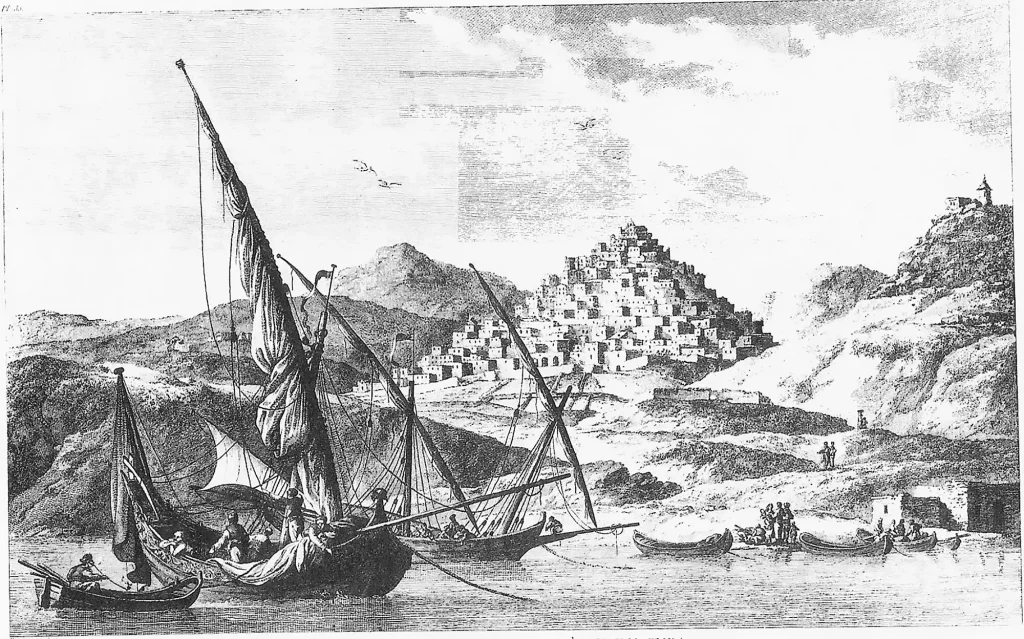
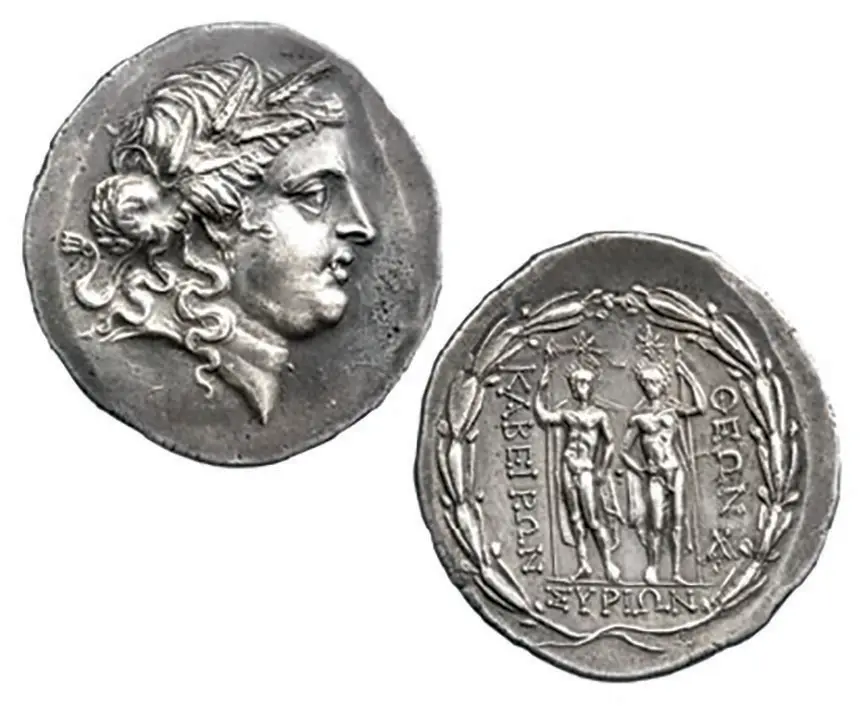
The Byzantine period was marked by the threat of piracy, leading to the construction of the settlement of Ano Syros. In the early 13th century, after the capture of Constantinople by the Crusaders, Syros became part of the Duchy of the Aegean, founded by the Venetian admiral Marco Sanudo. The establishment of the Catholic settlement of Ano Syros and the preservation of a small Orthodox parish, Saint Nicholas “the Poor,” characterize this era. In the 15th century, the Duchy of the Aegean became a protectorate of Venice, and eventually fell to Barbarossa and the Ottoman Empire in 1537.
The Ottoman period was characterized by tax relief and religious freedom. The presence of Capuchin and Jesuit monks left their mark on the island. Despite the plague in 1728, Syros began a period of economic growth, with a doubling of the population and the development of trade and shipping.
Overall, Syros retains a rich historical heritage, influenced by various cultures, making it a living monument of Mediterranean history.