
History of Ermoupolis

The history of Ermoupolis begins in 1822, when refugees from Asia Minor, Chios, Kasos, Psara, and Crete sought refuge on the island. These refugees, driven by the need for a fresh start, laid the foundations for a city that would experience significant growth and renown.
The name “Ermoupolis” was proposed in 1826 by the first settlers, in honor of Hermes, the ancient god of commerce, simultaneously reflecting the commercial activities of its new inhabitants. This name proved to be prophetic, as Ermoupolis rapidly evolved into one of the most important commercial centers in the Eastern Mediterranean and the region’s principal port.
From its earliest years, Ermoupolis acquired essential infrastructure that bolstered its social and economic development. In 1823, the first hospital in Greece was established in the city. By 1833, Ermoupolis became the capital of the Cyclades Prefecture, and in the same year, the first Gymnasium (secondary school) in Greece was founded by Neophytos Vamvas. Among its students was Eleftherios Venizelos, who would later become the Prime Minister of Greece.
The economic growth of Ermoupolis was remarkable. Banks, steamship and shipping companies, shipyards, associations, and printing houses were established. Industrial sectors such as tanning, soap making, and ironworking developed. The intellectual life of Ermoupolis was enriched with the establishment of four printing houses in 1835 and the circulation of the newspapers “Hermes of Syros” and “Hermes of the Cyclades” in 1836.
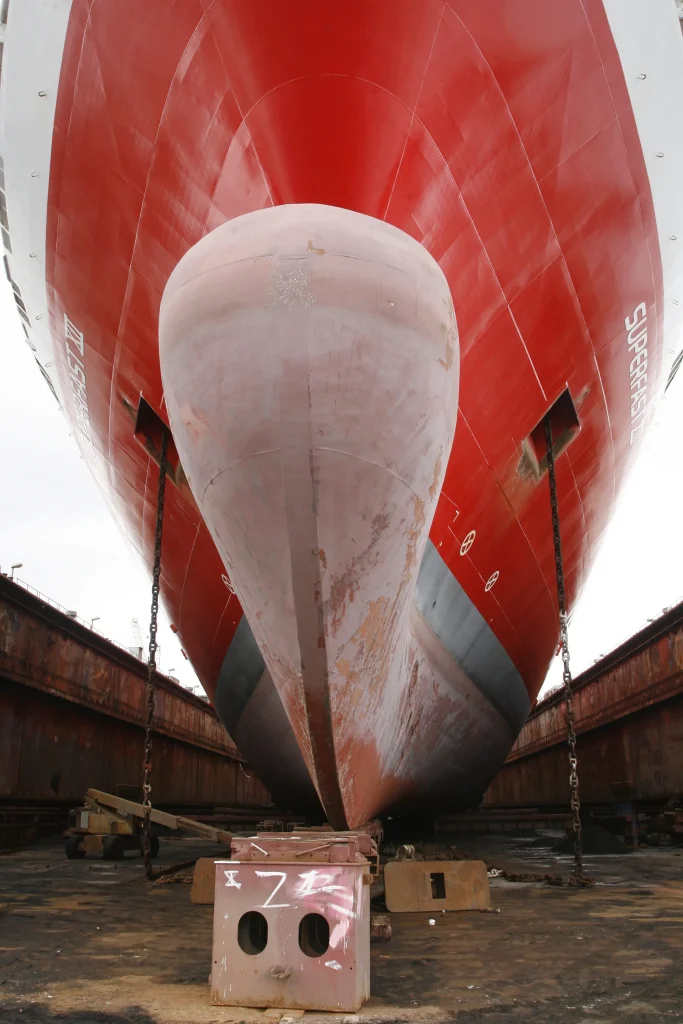
Shipping was fundamental to the city’s development. In 1854, the first Greek steamship was constructed in a private shipyard. In 1856, the “Hellenic Steamship Company,” the first steamship company in Greece, was founded, which built docks, shipbuilding facilities, ship repair factories, and warehouses.
In 1866, the Municipal Shipyard was established. Many ships visited Ermoupolis’s shipyards and port for repairs, resupply, or trade, leaving ample foreign exchange on the island. Ermoupolis became the commercial hub of the entire Eastern Mediterranean and an international center for trade between Western Europe, the Mediterranean, and the East.
Later, numerous textile factories were established, maintaining their dynamism until the early 20th century. The first labor strike in Greece broke out in Ermoupolis in 1879, demonstrating the city’s social and labor dynamism.
From its founding until the early 20th century, Ermoupolis was a brilliant example of economic and intellectual development. Its strategic location, commercial activity, and intellectual flourishing made it one of the most significant hubs of the Eastern Mediterranean, leaving a legacy that continues to resonate in the history of Greece.