
Culture – Music
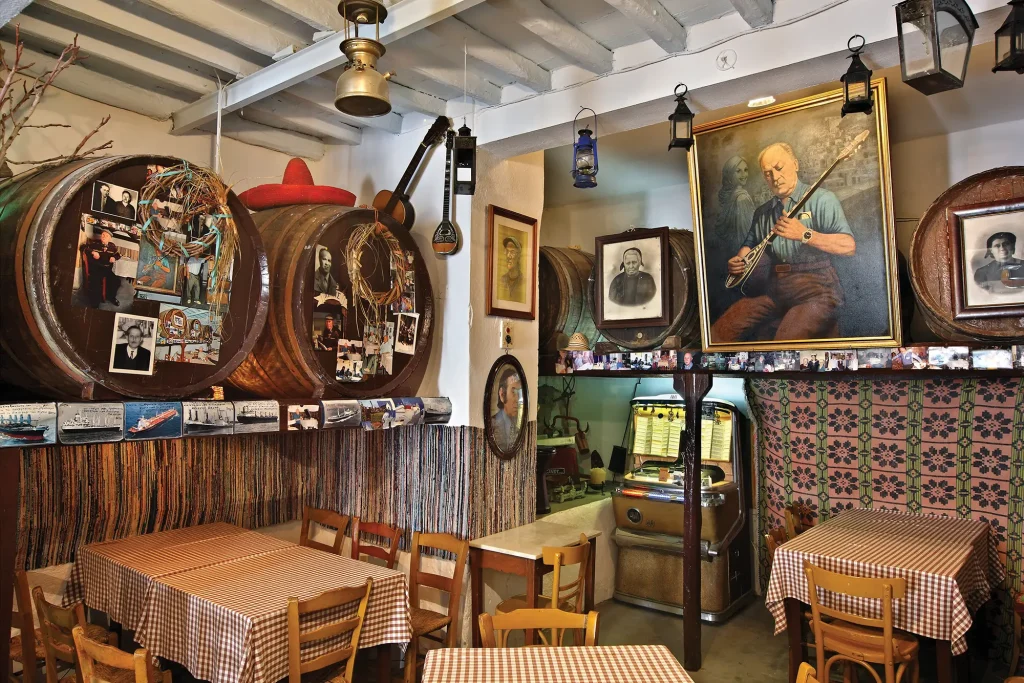
The modern relationship of Syros with music begins with the early days of the settlement of Ermoupoli. As early as 1831, the first music teachers arrived on the island, and music, both vocal and instrumental, was quickly integrated into Ermoupoli’s educational system.
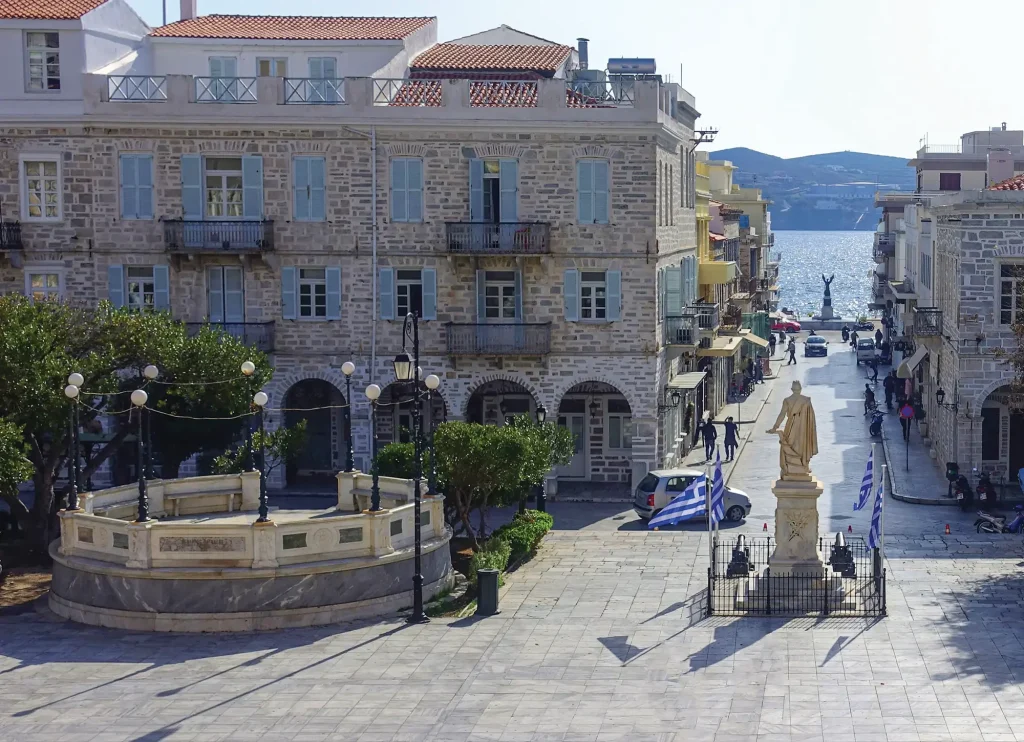
In less than half a century, the society of Ermoupoli achieved a cultural and economic miracle. The city developed a high cultural standard of living, with rich performances and musical events. The Music Platform, one of the city’s living monuments, attests to the cultural flourishing of Ermoupoli in the late 19th century. It is an “ingenious” construction made of Pentelic marble, featuring specially constructed wells that act as natural speakers. Decorated with reliefs of Apollo and the Muses and adorned with ten lamp posts, it hosted the Municipal Philharmonic, which performed popular operas in the open space in the middle of the square, familiarizing the public with a unique musical repertoire.
The Municipal Philharmonic Orchestra of Syros is another important element of the island’s musical tradition. With a long history and significant contributions, the orchestra has played a crucial role in strengthening and preserving the musical culture of Syros.
As time passed, the harsh conditions and the prevailing atmosphere of Syrian society contributed to the rise of rebetiko. The common people loved and sang rebetiko songs, as these slow melodies expressed the hardships of life, poverty, displacement, and the lives of marginalized people.
Rebetiko, born from the souls of people struggling with the adversities of daily life, evolved over the years into a widely appreciated musical genre. It is now an integral part of the Greek musical identity. Syros, as the birthplace of the great rebetis Markos Vamvakaris, continues to preserve the musical history and tradition of rebetiko to this day.